RWS VOGELVLUCHT & KIKVORS
2020 ∙ TU/e Industrial Design ∙ Speculative design ∙ Rijkswaterstaat ∙ Citizen participation ∙ Biodiversity ∙ Data
2020 ∙ TU/e Industrial Design ∙ Speculative design ∙ Rijkswaterstaat ∙ Citizen participation ∙ Biodiversity ∙ Data
I worked on my first master project in the Transforming Practices (TP) squad for Rijkswaterstaat, specifically: Expeditie RWS2050. I worked on this project with Simon Bavinck, Janita Bolhuis and Anouk Timmers. Rijkswaterstaat is an executive organisation of the Dutch ministry of Infrastructure and Water, it is responsible for, amongst other things, national infrastructure, waterways and sustainable living environment.
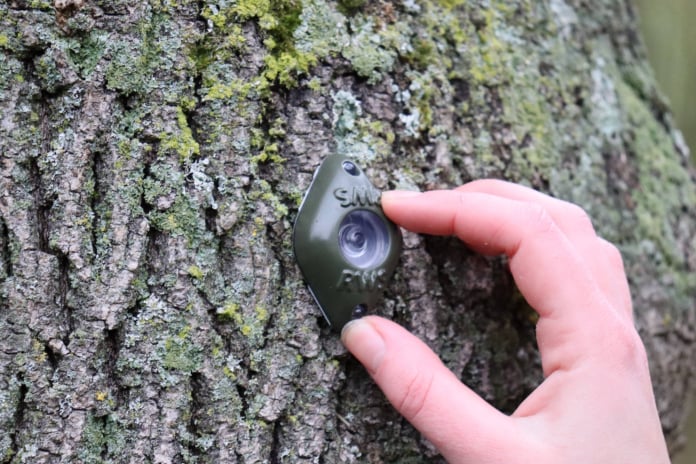
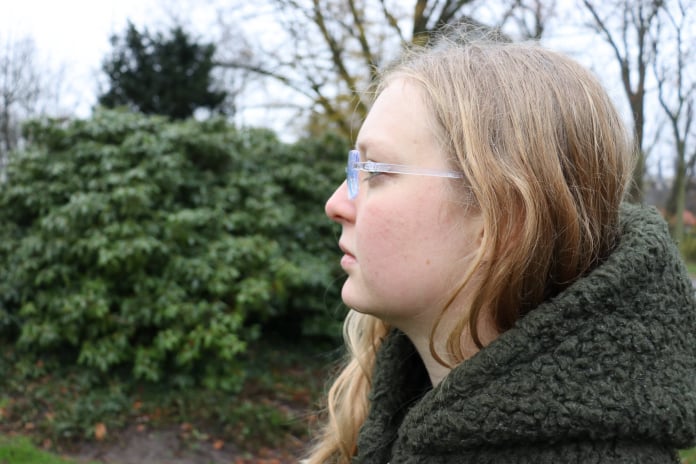
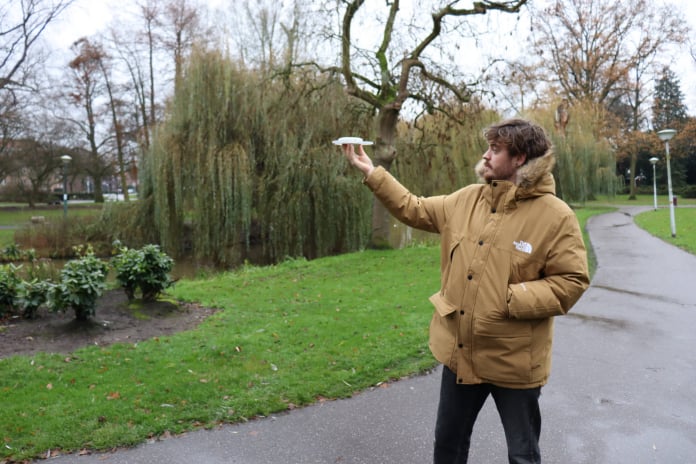
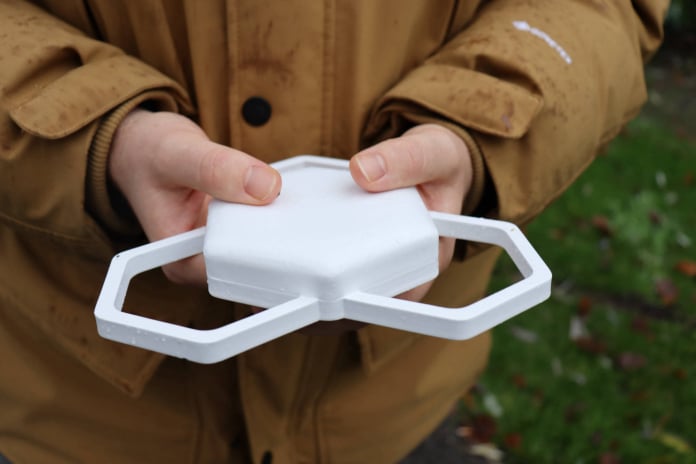
Through the project Expeditie RWS2050, Rijkswaterstaat is exploring possible futures. The goal of our project was to contribute to and broaden discussions within Rijkswaterstaat about the future. To make the future experienceable, we created two scenarios set in 2050, centred around three themes: biodiversity, data and citizen participation. We chose these themes based on literature, conversations with experts and our own values and interests. In both scenarios, Vogelvlucht and Kikvors, we described the role of Rijkswaterstaat and of citizens. To illustrate these roles and to make the scenarios come to life, we designed four objects.
In the first scenario Vogelvlucht, citizens collect biodiversity data with drones that is used by employees of Rijkswaterstaat to make decisions.



In the second scenario, Kikvors, the roles are reversed, citizens make decisions in a voting app operated with smart glasses and employees of Rijkswaterstaat collect data by putting up a vast network of sensors outdoors.
More information about both scenarios along with statements of citizens living in either the Vogelvlucht of Kikvors world in 2050 are gathered in a booklet. This booklet was presented with the prototypes as the final product of this project.